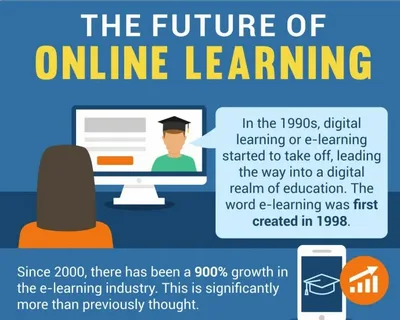
Education has always been central to personal and societal development, but the methods of learning have changed significantly over time. One of the most remarkable shifts in recent years is the rapid growth of online learning. This evolution has transformed how students, professionals, and lifelong learners acquire knowledge.
The COVID-19 pandemic accelerated the adoption of online platforms, but the trend was already underway. Learning management systems, video conferencing tools, and interactive platforms allow students to access resources anytime, anywhere. For many, this flexibility is invaluable. Working professionals, for example, can continue developing skills without interrupting their careers.
A key advantage of online learning is accessibility. Students in rural or underserved areas can now attend lectures from top universities, access digital libraries, and join global discussions. This levels the playing field, reducing geographic and financial barriers.
However, online learning is not without challenges. Lack of face-to-face interaction can make it harder for some learners to stay motivated. Technical issues, such as poor internet connectivity, can disrupt studies. Additionally, not all subjects lend themselves to digital formats. For instance, fields requiring hands-on practice—like medicine or engineering—still rely heavily on in-person training.
To overcome these limitations, blended learning models are becoming popular. These combine online theory with in-person labs, workshops, or group projects. The use of artificial intelligence is also growing, allowing personalized learning paths based on student performance.
In the future, virtual and augmented reality may further enhance online education by creating immersive environments where learners can explore complex topics interactively. For example, medical students could practice surgeries in a simulated space before entering real operating rooms.
In conclusion, online learning is not a replacement for traditional education but a powerful complement. With proper infrastructure and innovative tools, it has the potential to make education more inclusive, flexible, and effective than ever before.